Latest articles by Daisy Dobrijevic

Reference See what moon phase it is tonight and find out when you can see the rest of the moon phases for 2026.

Early risers across the U.S. could catch a glimpse of China's mysterious Shenlong spacecraft with the naked eye.

Here are some of the most spine-chilling space photos to scare your pants off this Halloween.

Reference Discover what a new moon is and when the next new moon will occur with our new moon 2026 guide.

Reference The full moon happens about once a month. Find out when.

Victor Glover recalls how a suspected cabin leak warning came just 15 minutes before a crucial engine burn — and why receiving it just five minutes later could have changed everything.

The Artemis II crew have joined an impressive list of honourees, including Buzz Aldrin, Jane Goodall and David Attenborough.
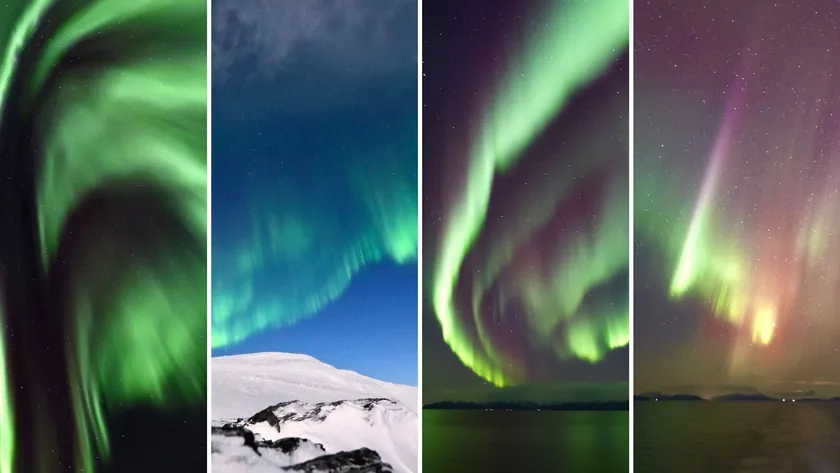
Guide I've chased the northern lights across the Arctic. Here are seven destinations worth considering for your next aurora adventure.

Reference The Northern and Southern Taurid meteor showers bring slow-moving shooting stars and occasional brilliant fireballs to the night sky. Here's when and how to see them in 2026.

Reference The Orionids peak Oct. 21-22, 2026, bringing fast-moving meteors from Halley's Comet. Here's when and where to look.

Multiple CMEs could give the northern lights a boost across the northern US from Oct. 9, with further geomagnetic activity possible into the weekend.

NOAA has issued a G2 geomagnetic storm watch for Oct. 9 as the CME races toward Earth, potentially boosting the northern lights as low as Idaho and New York.

See Jupiter disappear behind the slender crescent moon before dawn on Oct. 6, in a rare lunar occultation visible across parts of North America.

Reference What causes the northern lights? Here's everything you need to know about the aurora borealis.
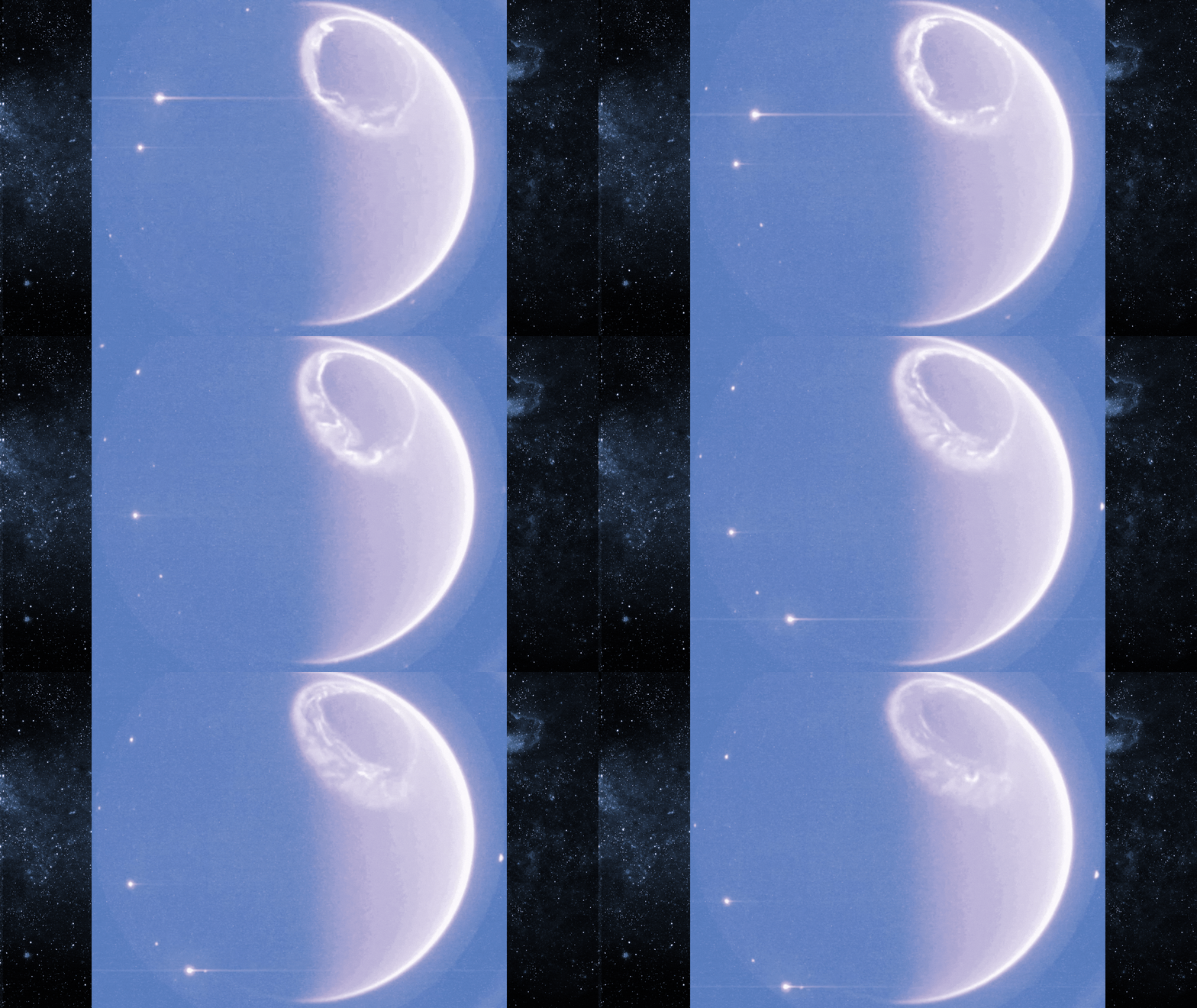
This remarkable view of Earth shows the northern lights encircling Earth.

See the waning gibbous moon meet the Pleiades star cluster and put your observing skills to the test.

Reference Good news! The Draconid meteor shower peaks under almost moonless skies on Oct. 8-9.
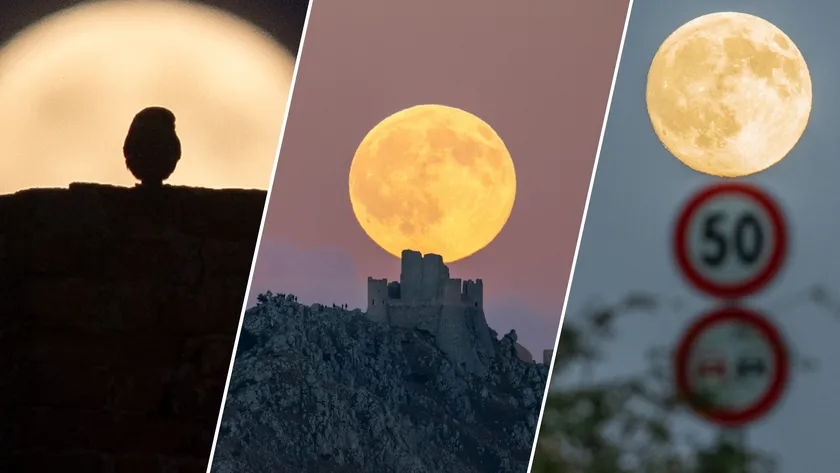
See stunning photos of September's Harvest Moon as it lights up skies around the world, delighting skywatchers from Hong Kong to San Francisco.

A spectacular wildflower bloom has transformed parts of Western Australia's normally arid landscape following months of unusually wet weather.

The dazzling show comes as aurora season gets underway — and the sun's turbulent declining phase could mean we're in for a good one.

A ghostly "false dawn" is about to light up the predawn sky — if you know where to look.

"To see one AND catch it right on the limb AND have it happen on a clear day when I'm home and able to catch it was a real treat."

Reference Lunar eclipses occur when Earth blocks the sun and casts a shadow over the surface of the moon. We explore the different types of lunar eclipses here.

