
Latest articles by Jamie Carter

The first images of an artificial solar eclipse from ESA's Proba-3 mission have been unveiled.

429 days down, 429 to go until the next total solar eclipse.

In groundbreaking photos, eclipse chasers captured the elusive solar corona during a partially eclipsed sunrise/moonrise in Quebec. It could change eclipse chasing forever.

The best possible balance between magnification, size and build quality. The Lunt SunOculars 8x32 are the go-to solar binoculars for eclipses and sunspot viewing.

These solar binoculars offer lots of magnification for observing sunspots and solar eclipses, but their big size makes them a specialist purchase.

Cloud-dodging eclipse chasers in New Brunswick and Québec, Canada, captured the solar horns, reflections and all kinds of weird views as the sun rose partially eclipsed.
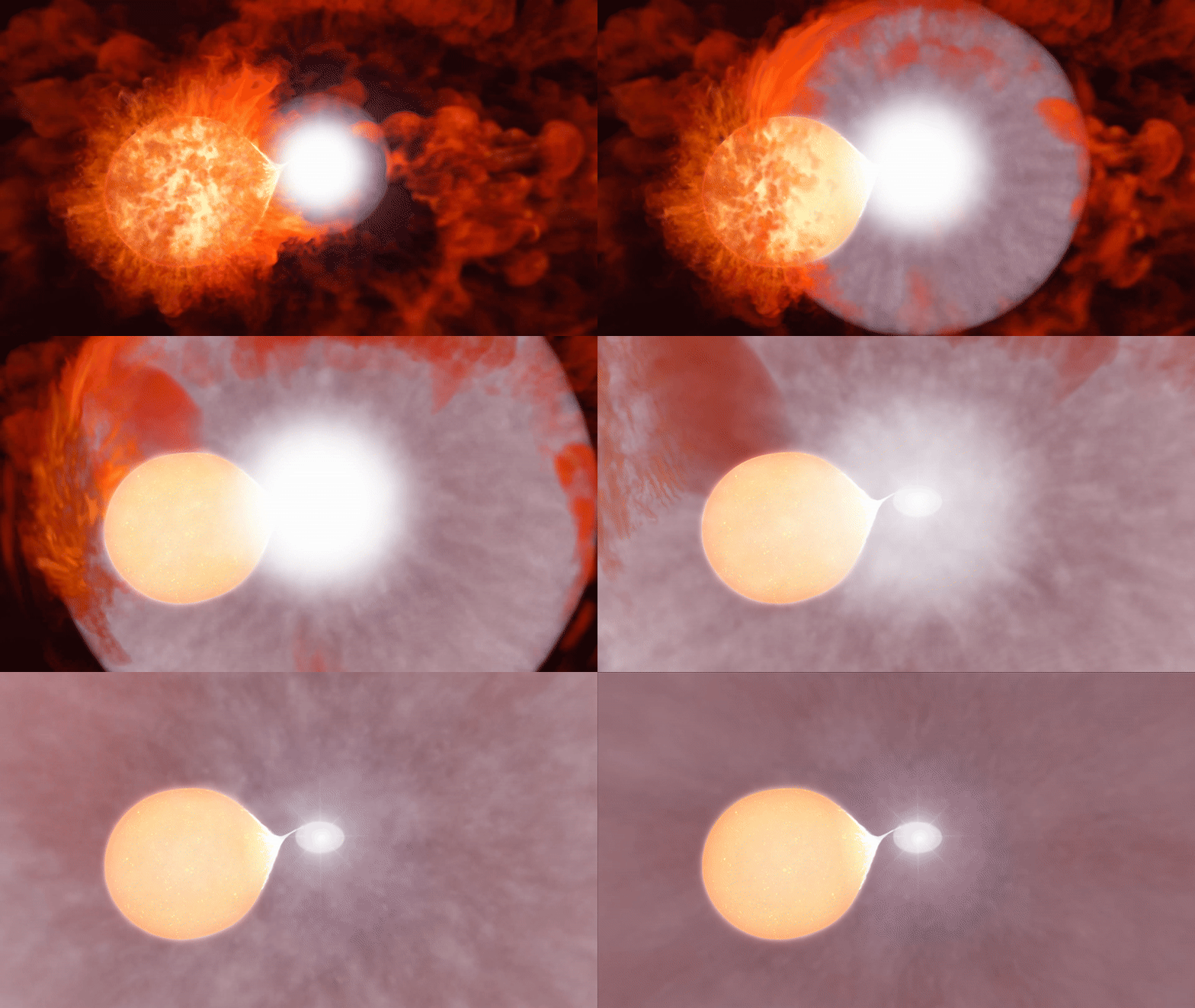
T Coronae Borealis (T CrB) is reappearing in the spring night sky, so be ready in case it goes nova.

Buying Guide The best neutral density filters adjust the light transmitted into your camera, allowing for better nighttime photography.

The clouds were cruel on the Bay of Fundy coast, but a memorable experience was had.

The partial solar eclipse on March 29, 2025, will be seen from North America, Europe, Russia and parts of Africa.

During the partial solar eclipse on March 29, 2025, a weird "double sunrise" will grace the skies between Canada's St Lawrence River and the Bay of Fundy, via the easternmost point of the U.S.

Here's where to be to catch rare views of the cusps of the sun appearing in the east at sunrise during the partial solar eclipse on March 29, 2025.

The upcoming partial solar eclipse on March 29 is the perfect time to watch the moon hide and then reveal dark patches on the surface of the sun.

On March 29, a partial solar eclipse will cause a dark shadow over eastern North America — and weather satellites will pick it up.

Sponsored
For an unforgettable stargazing adventure, few places rival the Florida Keys.

Home to the world's highest tides and biggest lobsters, New Brunswick will experience a partial solar eclipse at sunrise on March 29, 2025. For one eclipse-chaser, it's the ultimate moon-shot.

Buying Guide Our picks of the best light pollution filters for astrophotography will reduce skyglow and unattractive color casts, making your images as vibrant as possible.

Reference Get ready for a deep partial solar eclipse on March 29, 2025, which will occur at sunrise in North America and mid-morning across Europe.

A total lunar eclipse on March 13-14, 2025, will be visible across Earth's night side. See detailed maps of where and when to watch the dramatic 'Blood Moon'.

A total lunar eclipse will be seen across North America on the night of March 13-14, 2025, while parts of Europe will get a brief view.

On March 13-14, 2025, skywatchers in the Americas will witness a total lunar eclipse that mirrors one Christopher Columbus is said to have used to his advantage over five centuries ago.

We explore the celestial geometry that explains different kinds of eclipses of the sun and the moon.

You may have noticed that more auroras have been visible in recent years, including from lower latitudes. Here's why the northern lights have been amped up lately.

