





Latest about Apollo

A fresh analysis of moon rocks brought home during the Apollo missions suggests the presence of hydrogen, implying future astronauts could access water available right in lunar regolith.

Former NASA astronaut Frank Borman, who in 1968 led the first mission to fly humans to the moon, has died. Borman lifted off twice: on the Gemini 7 mission in 1965 and Apollo 8 into lunar orbit.

At the very end, it was the rocket that took itself down. The Saturn IB was in the final minutes of being laid down when it fell the last 15 feet to the ground.

New research finds spaceflight does not adversely affect moon rock magnetism, disproving one of two major oppositions to the moon dynamo theory.
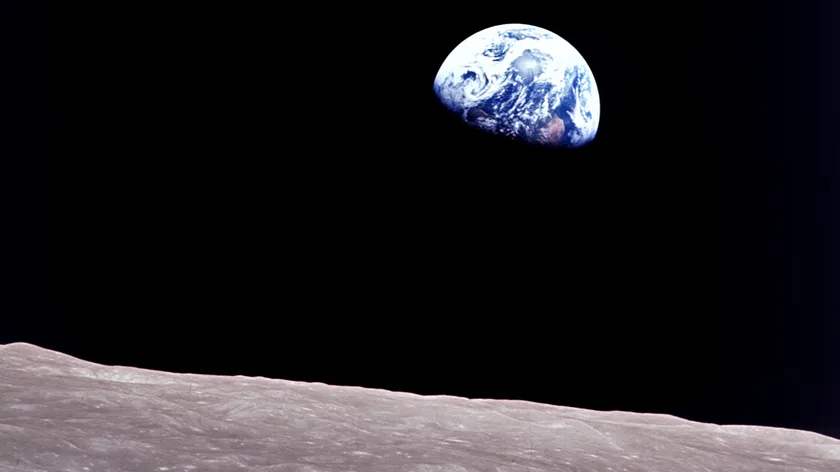
Reference In 1968, NASA's Apollo 8 mission carried the first crew beyond low Earth orbit and toward the moon, an important turning point in humanity's exploration of space.

A reanalysis of Apollo 17 seismic data has revealed that the Apollo 17 lunar lander base is creating its own moonquakes.

Reference Apollo 13 was NASA's third moon-landing mission but the astronauts never made it to the lunar surface. It stands as an example of the dangers of space travel.

Reference Here we explore how long it takes to get to the moon and the factors that affect the journey to our rocky companion.

