
Latest articles by Joe Rao

On the night of Feb. 5, a waxing gibbous moon will once again cover up the "Seven Sisters" of the famous Pleiades star cluster.

On Saturday evening, February 1, a lovely crescent moon passes just to the left of Venus, which is now shining at the pinnacle of its brilliance.

February brings a rare planetary parade, with five bright planets in clear view and a special alignment of Mercury and Saturn on Feb. 24.

C/2024 G3 (ATLAS) is one of the few comets on record that became bright enough to be visible in the daytime without optical aid like binoculars or a telescope.
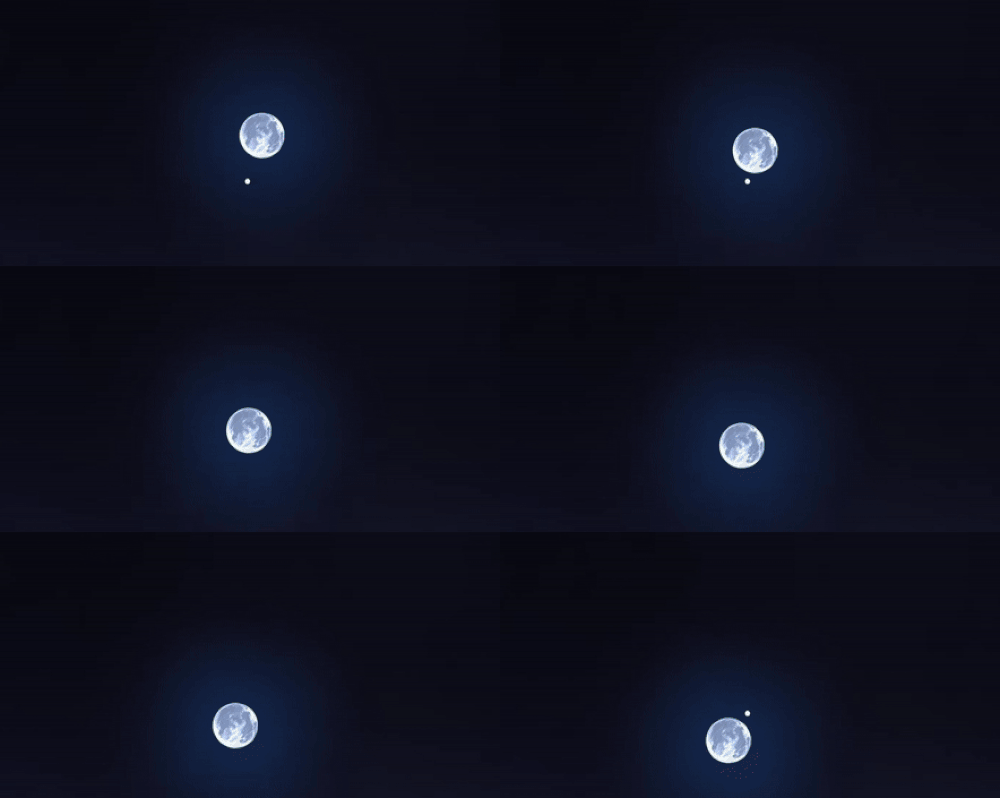
On the night of Jan. 13, the full moon will appear to pass in front of Mars, resulting in an occultation visible from the United States, much of southern and eastern Canada, and West Africa.

The moon will pass in front of the Pleiades star cluster during an occultation on Jan. 9, 2025. Here's how to see it.
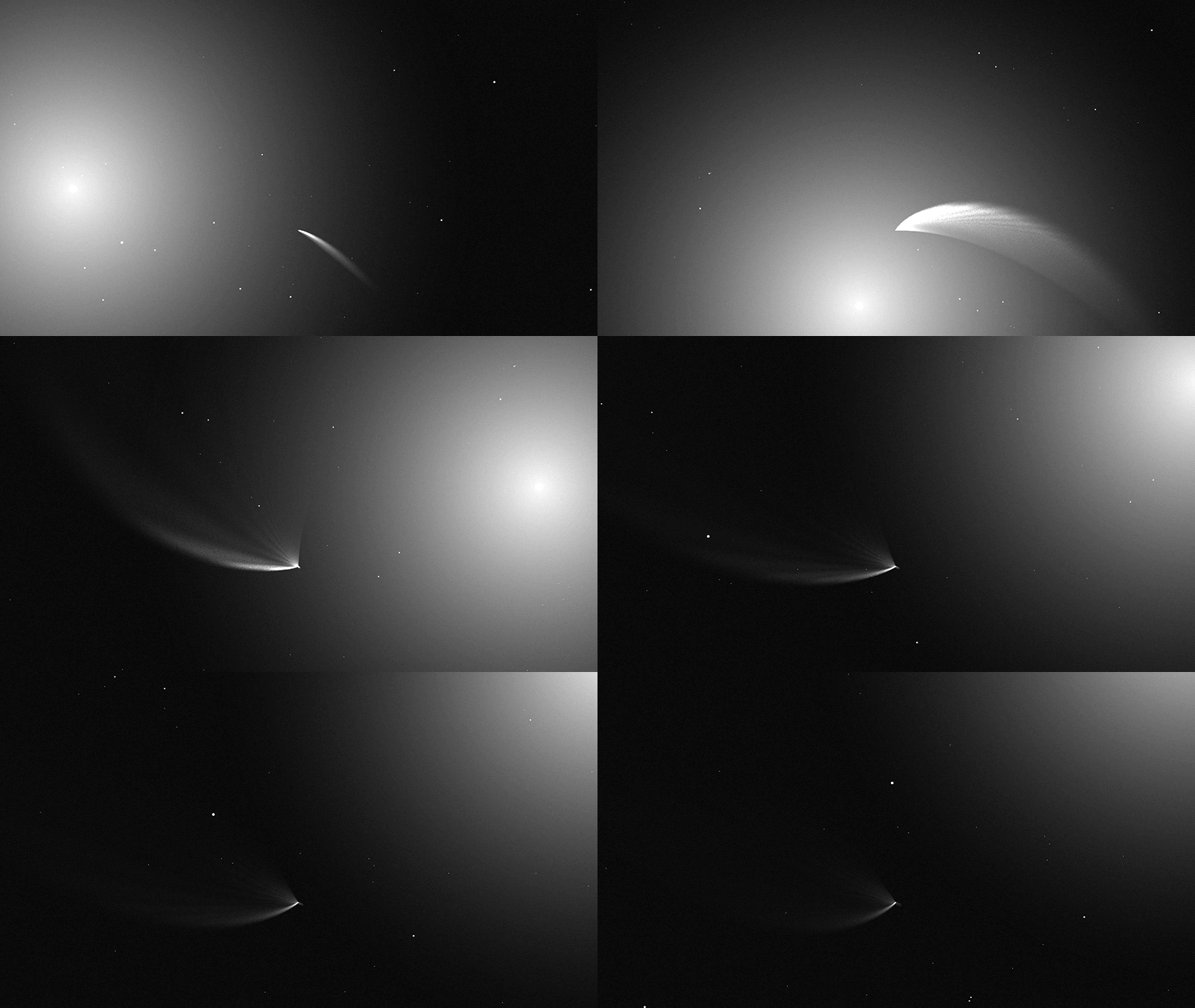
One of the brightest comets in 20 years, Comet 2024 G3 (ATLAS) returns for a close encounter with the sun — but will we be able to see it?

The 2025 Quadrantid meteor shower peaks overnight on Jan. 3, and could produce between 60 to 120 meteors per hour.

A rundown of some of the exciting sky events — including meteor showers and the first total lunar eclipse for the U.S. since 2022 — that will take place this year.

The Christmas evening sky is especially rewarding now. The eastern sky is filled with brilliant stars, a sort of a celestial Christmas tree.
Your guide to viewing the visible planets of the solar system in the night sky of 2025.

On Dec. 17, the moon and Mars will appear close together in the night sky in the Gemini constellation.

The December Geminids — one of the best meteor showers of the year — will be adversely affected by bright moonlight, appearing the on the night before the full moon.

The two brightest nighttime objects, the moon and the planet Venus put on a lovely display in the western evening sky of Wednesday, Dec. 4.

For Thanksgiving 2024, we have a celestial feast as three bright planets shine prominently during the early evening hours: Saturn , Jupiter and Venus.

A waning crescent moon will creep closer and closer to Spica until the star's light is extinguished in the blink of an eye on the morning of Wednesday, Nov. 27.

The annual Leonid meteor shower peaks on Nov. 17, 2024, but a bright moon just two days past full will make viewing this year's Leonids difficult.

The Southern Taurid meteor shower reaches its peak Nov. 12. Here's how to maximize your chances of seeing a colorful fireball from this shower.

Saturn gets close to the moon tonight, and some skywatchers in Florida, Central America and South America will see the ringed planet briefly disappear behind our lunar companion.

Monday evening (Nov. 4), the night before Election Day, will bring a lovely celestial display involving the two brightest objects in the nighttime sky: the moon and Venus.

Reference Don't miss these celestial treats this Halloween!

To see the Crab Nebula for yourself, you'll have to wait until around midnight local daylight time, after it has sufficiently risen high enough above the east-northeast horizon.

While some are hoping for a bright "Halloween comet," astronomers say the speeding cosmic snowball has likely already broken apart.

